
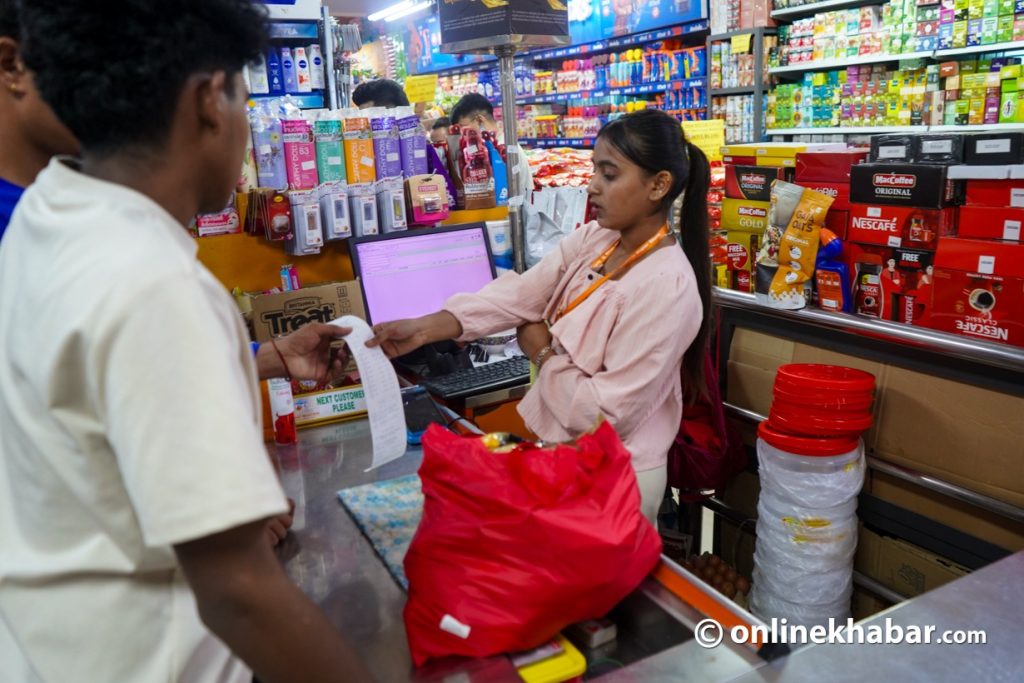
The government’s reward scheme for consumers who ask for bills is encouraging more people to demand receipts when making purchases, while also supporting efforts to curb tax evasion and make the market more transparent.
Introduced from July 17, the Taxpayer Reward Incentive Programme gives consumers a chance to win prizes ranging from Rs 100,000 to Rs 1 million when they obtain genuine bills for their purchases.
The government introduced the reward scheme to encourage consumers to obtain proper bills, discourage tax evasion and help control illegal transactions.
So far, winners have been announced twice.
Every day, consumers go to markets, buy goods, pay for them and return home. But many still do not make it a habit to ask for a bill, particularly when purchasing inexpensive items.
The new reward scheme is beginning to change that behaviour.
Rameshwar Acharya of Gothatar, Bhaktapur, is among those who have long made it a habit to ask for bills.
He was at Bhat-Bhateni Supermarket in Anamnagar on Monday, where he was collecting his bill after shopping.
“I have been taking bills for a long time,” Acharya told Onlinekhabar. “Now, it has become even more important to do so.”
Acharya is also aware of the reward scheme introduced through the government’s budget for the current fiscal year.
“Earlier, I only knew that I should take a bill when buying something,” he said. “Now that there is a reward, I am paying even more attention to it.”
According to Acharya, billing systems are well organised at large supermarkets and department stores such as Bhat-Bhateni and SalesBerry, where consumers generally receive bills automatically.
However, his experience is different at smaller grocery and retail shops.
“At larger stores, bills are issued automatically,” he said. “At ordinary grocery shops, they used to provide a simple bill when asked. Now, as consumers have started asking, they have also started providing VAT bills.”
Why does the reward scheme encourage consumers to ask for bills?
For some consumers, the chance to win up to Rs 1 million may be the biggest attraction of the reward scheme. But Acharya says asking for a bill is also important to protect consumers from being cheated.
“Taking a bill also protects you from being cheated,” he said. “I don’t check it immediately at the counter, but I go home and check it. That is why I always take a bill wherever I shop.”
A bill can help consumers identify instances where they have been overcharged, sold expired products or incorrectly charged for an item.
Consumers are now entering their PAN numbers
Ajay Lama, a manager at Bhat-Bhateni Supermarket, says the reward scheme has generated considerable interest among customers.
“After the taxpayer incentive programme was introduced, customers started asking for bills. They are quite excited,” Lama said. “They are also excited about the possibility of winning through the lucky draw, and this has increased the flow of customers.”
Some customers who previously paid for their purchases and left are now registering their personal details, including PAN numbers, to participate in the reward scheme.
“Even customers who pay through QR codes ask for a bill and provide their PAN number,” he said. “They want to be included in the lucky draw, so they ask for the bill and we provide it accordingly.”
From a business perspective, Lama says issuing bills is neither difficult nor burdensome.
“There is no difficulty in issuing bills. It is not a big deal,” he said. “Bills must be issued. It helps the government collect taxes and protects consumers from being cheated, so this awareness is essential.”
‘Customers who never cared about bills now ask because they could win Rs 1 million’
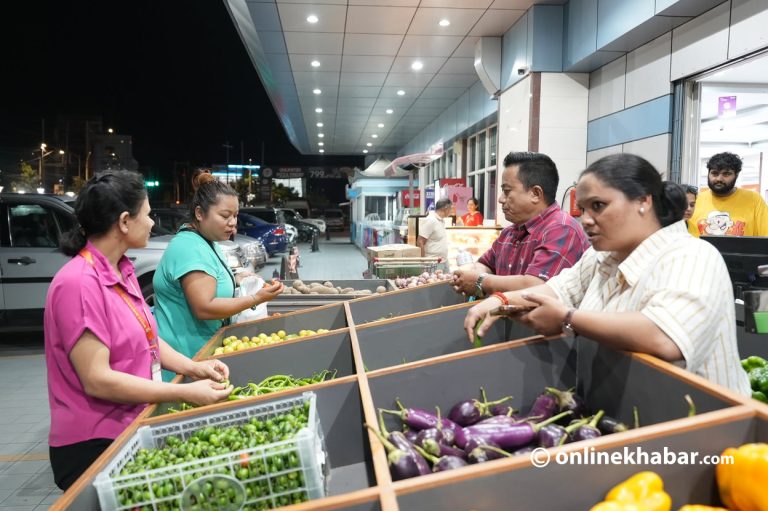
Monika Poudel, a supervisor at SalesBerry department store in Mid-Baneshwar, has also noticed a significant increase in customer awareness about bills.
“Previously, customers did not pay much attention to bills. But now, more people are asking for them,” Poudel said. “Many ask out of curiosity, saying they heard they could win Rs 1 million by taking a bill.”
Although she has not noticed a significant change in the number of customers since the reward scheme was introduced, she has seen an increase in questions and awareness about the programme.
According to Poudel, most customers now prefer digital payments over cash.
“People do not carry much cash these days. Most pay through QR codes,” she said.
When customers pay digitally, the transaction details are automatically recorded in the government system, making it easier for them to participate in the reward scheme. Customers who pay in cash, however, need to enter their bill details into the system themselves.
The habit of taking and checking bills has also benefited businesses by helping correct human errors at billing counters.
“Sometimes mistakes can happen when we are working in a hurry,” Poudel said. “But customers take the bill home and check it. If there is a mistake or they have been charged more than they should have been, they come back and we correct it. That helps us too.”
‘Ninety-five percent of customers now ask for bills’
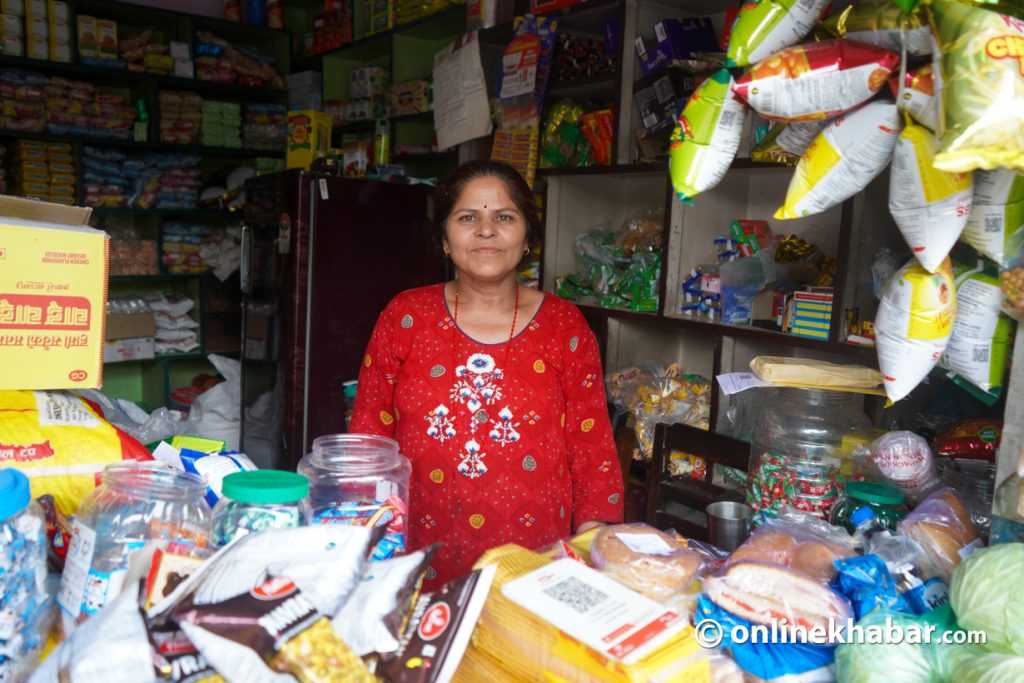
Gyanu Tiwari, owner of Pokharel Store in Buddhanagar, says around 95 percent of her customers now ask for bills themselves.
“About 95 percent of customers ask for bills now,” Tiwari said. “Only those who are unaware or very young children generally don’t ask. Almost all informed and aware customers do.”
Although bills have traditionally been uncommon for small retail purchases worth less than Rs 100, she says digital payments have made the process easier.
“People don’t usually get bills for purchases below Rs 100, but these days payments are often made through QR codes,” she said. “Since QR payments are recorded, billing is also being done through that system.”
Tiwari says both sellers and buyers have a responsibility to ensure that transactions are properly billed.
Businesses must issue bills and consumers should ask for them, she said, because failing to do so increases the risk of tax evasion.
She believes the government’s reward scheme is a positive beginning.
“The government is doing something good. It is gradually getting started,” she said. “Eventually, I think the government will bring everyone into the billing system.”
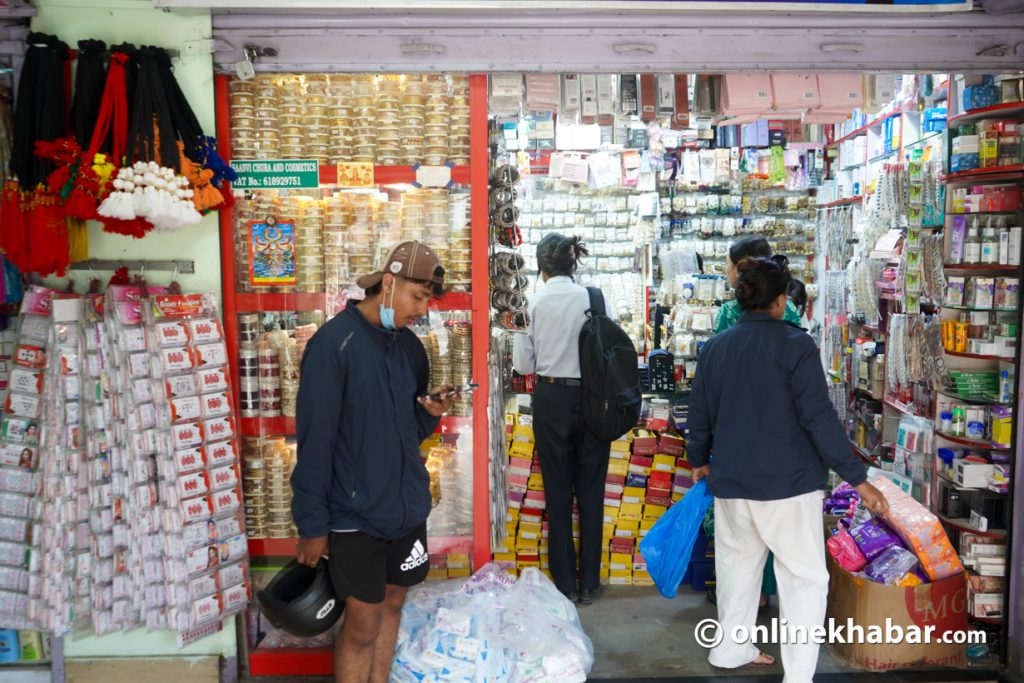
Bini Khas, owner of Maya Cosmetics in New Baneshwar, has also noticed more customers asking for bills.
She says customers became more conscious about bills after the taxpayer incentive programme was introduced.
“Previously, there wasn’t much of a practice of asking for bills like this,” Khas said. “Now, those who know about the programme ask for bills themselves and take them.”
She said her shop started issuing bills more regularly after the government announced the programme and now provides VAT bills to customers.
More publicity needed for the reward scheme
Luma Basnet, who was shopping at a cosmetics store in New Baneshwar, was also seen asking for a bill.
A recent graduate working in sales and marketing, Basnet says she has always asked for bills because she believes in accountability.
“I strongly believe in accountability. I need to know where and how much I am spending, so I have always taken bills,” she said. “Whether it is groceries, cosmetics or clothes, I take bills for everything.”
She only recently learned about the government’s reward scheme, which offers consumers a chance to win up to Rs 1 million.
But she believes many consumers are still unaware of the programme.
“There are still many people who don’t know about it,” she said. “Whenever I meet people, I tell them about the programme and encourage them to participate because it is for our benefit.”
Basnet believes the government needs to do more to promote the reward scheme, particularly among people who do not use smartphones or are less familiar with digital technology.
“There needs to be much more advertising and awareness campaigns,” she said. “Some people are more traditional, don’t use smartphones and don’t spend much time on their phones. They need to be reached and encouraged personally.”
Many consumers still unaware of the reward scheme
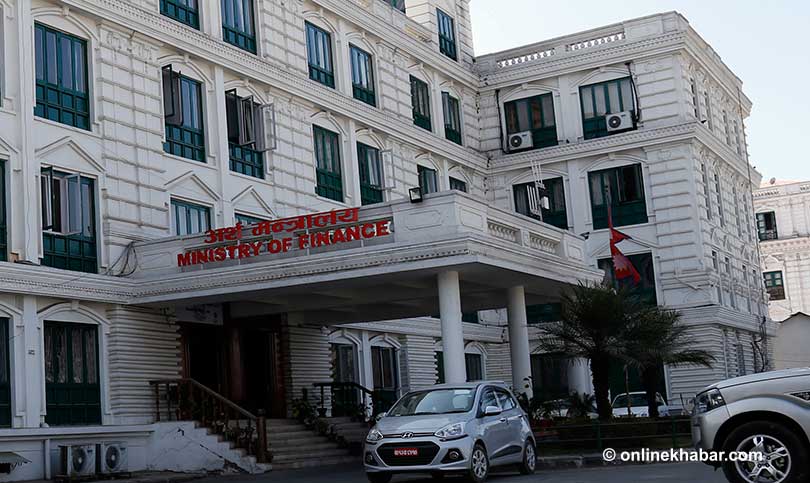
Despite the government offering prizes of up to Rs 1 million to consumers who obtain bills for their purchases, many people are still unaware of the reward scheme.
Anisa Shrestha, who was shopping at Bhat-Bhateni, said the scheme was a good initiative but lacked sufficient publicity.
She has always made it a habit to ask for bills but only recently learned about the government’s reward scheme.
“I have always kept bills for all my purchases up to date,” she said. “But I only recently found out about the government’s reward scheme.”
She said she usually shops at Bhat-Bhateni, where bills are issued automatically, but has found that some smaller shops provide VAT bills while others do not.
Asking for a bill after making a purchase is both a consumer right and responsibility, she said. But for people to benefit from the government’s new initiative, they first need to know about it.
“This is a new programme, and it can be taken forward in an innovative and effective way,” she said. “If the government uses the right communication channels, it would be much easier for people to learn about it.”
More than just a chance to win
The government’s reward scheme is intended not only to encourage consumers to ask for bills but also to make the market more transparent and curb tax evasion.
The scheme can help consumers protect themselves from being overcharged while encouraging businesses to become more accountable and strengthening the state’s tax collection system.
The growing use of digital payments has also made the reward scheme easier to implement.
However, despite the chance to win up to Rs 1 million, many consumers remain unaware of the programme. Expanding and improving public awareness will be crucial if the reward scheme is to reach its full potential.
The government will also need to find ways to reach people who have limited access to technology and those who are less familiar with digital systems.
Ultimately, asking for a bill should not be seen merely as a chance to win a prize. It is also a simple act of consumer awareness and a small but important contribution to building a more transparent and accountable economy.