Kathmandu, October 2
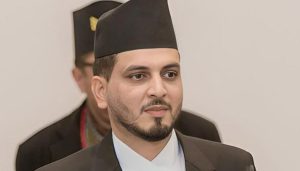
Minister for Infrastructure Development Sunil Lamsal has said the government is seeking to create an environment conducive to development and investment by reforming existing laws.
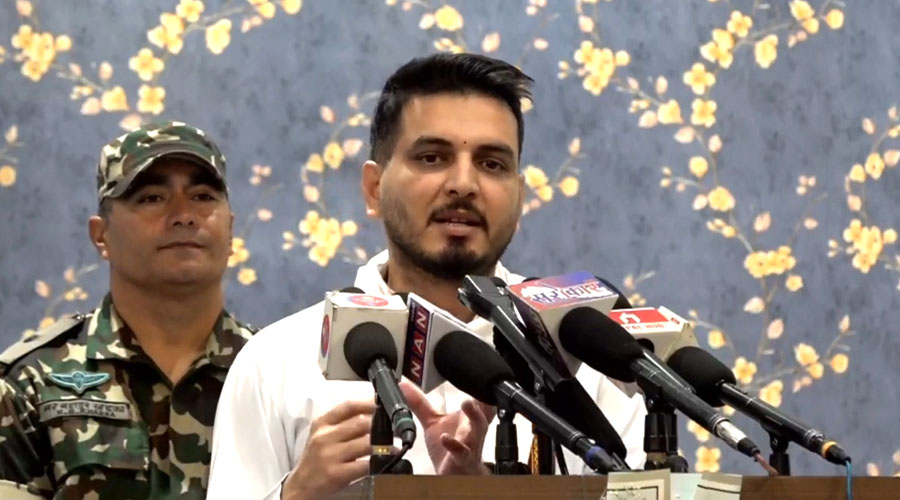
Lamsal made the remarks while addressing a workshop on “Legal Reforms for Investment and Development Related to Nepal Infrastructure Summit 2026” organised by the Ministry of Infrastructure Development on Friday.
He said the government is focused on creating citizen-friendly laws, arguing that the state system should operate in accordance with the law and produce tangible results. He said laws reflect a country and that the kind of laws a country makes determines the kind of nation it becomes.
“An Act is the mirror of a country. The kind of laws we have, determines the kind of nation we are. If we look at our current urban laws, our cities are also like that. Our schools are also shaped by the kind of education laws we have. The results also seem to correspond to the laws we make. The laws we are now seeking to amend are being reformed accordingly,” he said.
Lamsal said the government had studied suggestions from stakeholders during the process of amending the Public Procurement Act but could not incorporate them because they did not meet the required policy objectives.
He said the workshop would play an important role in identifying reforms needed to make infrastructure development more dynamic and effective. He added that the government was clear that laws should not be drafted in a way that allows middlemen to benefit.
“We need to study the draft we have prepared word by word and think about how to make the law better. When we were passing the Procurement Act, the construction entrepreneurs’ association brought forward a suggestion. But we did not accept it because their suggestion did not provide a policy departure,” he said. “We studied their suggestions as well as our own preparations. We wanted to provide them with many things, but it also seemed that they were unwilling to accept them. The government is specifically seeking a public-centric policy departure.”