Kathmandu, October 1
Nepali Communist Party chief whip Yuvraj Dulal has expressed regret over what he described as Prime Minister Balen Shah’s disrespect towards Parliament.
Speaking during the special session of the House of Representatives, Dulal recalled that Prime Minister Shah had travelled to the United Nations General Assembly to represent Nepal at its 81st session.
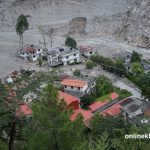
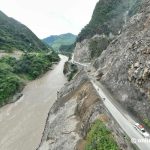
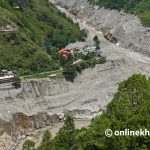
At the General Assembly, Shah presented Nepal’s common national agendas and raised issues including the impact of climate change on the Himalayas, the Himalayan tsunami in the Bhotekoshi and Trishuli rivers and the damage it caused, climate justice, and international assistance based on grants.
Dulal thanked Prime Minister Shah and the government for raising these issues at the UN. However, he criticised the government for not informing Parliament about the visit before or after the prime minister’s trip.
“But I express regret over the disrespect shown to the legislature by the prime minister by not informing Parliament before leaving for the General Assembly or after returning,” he said.
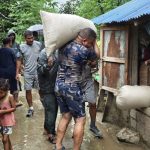
Dulal also said there was little scope for celebrating festivals with greetings at a time when hundreds of Nepalis have died and thousands remain missing following the Bhotekoshi floods and other floods and landslides. He said many of those missing have effectively been considered dead.
“But why is there hesitation and delay in granting those missing citizens the same legal status as the deceased?” he asked the government.
Dulal put forward four demands to the government.
- Children who have lost their teachers and schools should be provided with teachers and schools so they can resume their education.
- Children who have lost their parents should feel that the government is there to support them.
- Citizens who have lost their homes should be provided with shelter, while disaster victims should receive the food and clothing sent by donors.
- There should be no reports of relief materials rotting in warehouses while funds remain stuck in the Prime Minister’s Relief Fund. Victims should not be told that assistance cannot be provided because different laws do not align.
He also urged the government to learn from previous natural disasters and the responses of governments at the time, and to follow the path of good governance.
Dulal said the previous government led by then Prime Minister Pushpa Kamal Dahal had been pursuing corruption investigations in a planned manner, taking into account experience, research, preparation and national needs, but was eventually brought down.
He urged the current government to learn from that experience as well.
“Let this government open files backed by strong evidence of corruption. There should not be an attempt to create the impression that a government that cannot open files is trying to govern by misusing state power and staging stunts, while MPs shout in Parliament and mislead the public,” he said.
He called for those involved in corruption to be brought to justice through due legal process.
Dulal also referred to a speech by Rastriya Swatantra Party Chairperson Rabi Lamichhane made before the February 21 election.
“Try to remember that very popular and appealing speech — what do people hope for? What do people ask for? They ask for electricity, water, roads, education and healthcare. What do people hope for? Is this even a demand in the 21st century?” Dulal said.
He added, “If our government-side colleagues feel that this sounds like them, they need not take it otherwise. You are right.”
Dulal then raised seven questions about the current situation and public sentiment.
- Should we talk about the long queues people faced waiting for half a cylinder of cooking gas, or the queues of young people waiting for passports that covered Tripureshwor?
- Should we talk about queues at hospitals or those of farmers waiting for chemical fertiliser?
- Should we talk about soaring inflation or the migration of unemployed young people abroad?
- Should we talk about taxes imposed on education and healthcare or VAT charged on household electricity bills?
- Should we talk about vehicles blocking media gates or unlawful arrests carried out at midnight?
- Or should we talk about the heartbreaking plight of landless citizens living in holding shelters?
- With the current parliamentary session ending and lawmakers returning to their constituencies, what will we tell the people?