

Kathmandu, September 14
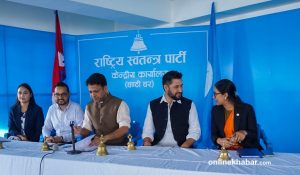
Rastriya Swatantra Party (RSP) says its Candidate Club has received an encouraging number of applications despite the disruption caused by the devastating Bhotekoshi floods.
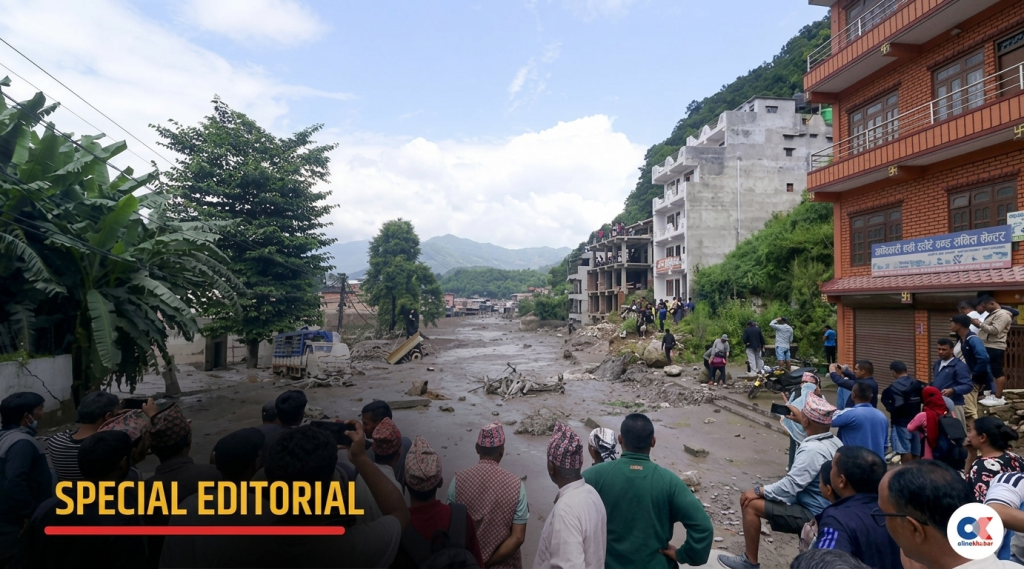
The RSP opened applications on August 17 for people interested in contesting local elections for positions in rural municipalities. Ten days later, on August 26, the Bhotekoshi flood forced the party to suspend all its official political and organisational activities.
A secretariat meeting held on the day of the disaster decided to suspend all pre-scheduled activities, saying the party needed to focus its attention and resources entirely on disaster management, rescue and relief.
However, the Candidate Club process has continued despite the suspension of other organisational activities, according to RSP General Secretary Bipin Acharya.
Acharya said the party was encouraged by the number of applications received so far.
“We are encouraged by the number of applications we have received from people interested in becoming rural municipality chairs, vice-chairs, ward chairs and ward members,” Acharya told Onlinekhabar.
The party has not disclosed the exact number of applications as the collection process is still ongoing.
The first phase of the Candidate Club process was opened for those seeking to become candidates in rural municipalities. The party plans to subsequently open applications for candidates in municipalities, sub-metropolitan cities and metropolitan cities.
The RSP has yet to decide how long applications for rural municipalities will remain open. It may either keep the existing application period unchanged or suspend it while opening applications for the other categories, Acharya said.
The party introduced the Candidate Club to identify qualified and capable candidates for local elections. However, the floods have affected efforts to explain the new system and conduct orientation programmes at the grassroots level.
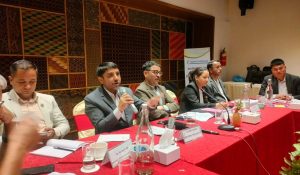
RSP Koshi Province chair Chandra Rai said the floods had disrupted the party’s organisational activities and consequently affected the Candidate Club process as well.
Since the system is a new practice not previously adopted by Nepali political parties, there is a need to explain it to potential candidates and party members, Rai said.
“It is a new practice. It also needs to be explained from a technical perspective. Some people have already applied, while others are still in a wait-and-see situation,” Rai told Onlinekhabar.
The party had planned orientation programmes at the local level to explain the Candidate Club, its importance and the candidate selection process. Those programmes have been halted because of the floods.
RSP Gandaki Province chair Navin Tripathi said applications from people interested in contesting in rural municipalities in the province have also been encouraging.
Tripathi said the party had planned to visit local levels to explain the Candidate Club but had to suspend the programme because of the floods.
“We had planned to visit local levels and provide information about the system, but the floods forced us to suspend that plan,” Tripathi told Onlinekhabar.
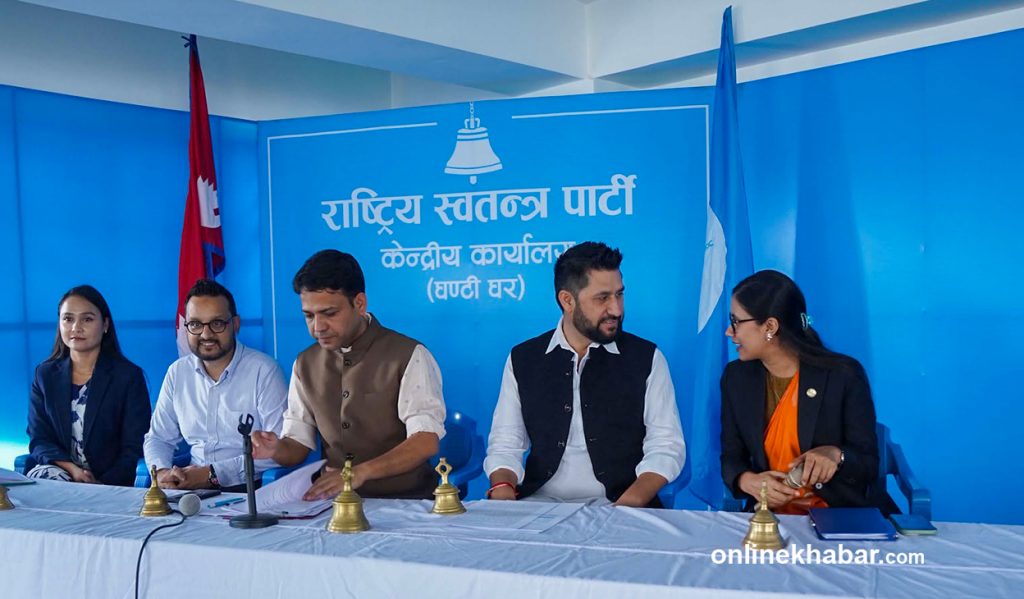
The party plans to organise programmes in districts such as Tanahun, Parbat and Baglung, where extended meetings have not yet been completed, to brief party members and supporters about the Candidate Club.
Rasuwa, Nuwakot and Dhading were among the districts most severely affected by the floods. The RSP has not yet decided whether a different process will be adopted for these districts.
According to Acharya, the party’s immediate priority in those districts remains relief and reconstruction, and no decision has been made regarding candidate applications there.
Bagmati Province chair Utsav Aryal said the party would need to adopt a separate approach for the flood-affected districts.
The Candidate Club is the first step for those seeking to become RSP candidates. Under the party’s candidate selection framework, aspirants must pass through four stages before being selected.
The party plans to select candidates through a primary election, with the primary vote carrying 40 percent of the total weighting. Local party members will have the highest weight in the primary election, accounting for 75 percent of the total weighting.
Those interested in becoming candidates must also attend classes at the party’s Leadership Academy after submitting their applications.
The party will additionally assess candidates’ “political proximity”, considering factors including organisational affiliation, previous roles and discipline, chances of winning, multidimensional popularity, educational and professional experience, and an impartial social assessment.
The RSP has also set eligibility requirements based on party membership and the time elapsed since leaving another political party.
People who have never been members of another political party can apply to the Candidate Club after completing 45 days of RSP membership. Those who have left another political party must have completed three months before applying.
For prominent, expert and publicly respected individuals with a clean image, the party has created a special application process subject to approval from designated committees and bodies.
The framework for selecting candidates was developed under the leadership of Acharya, who previously served as the RSP’s co-general secretary.