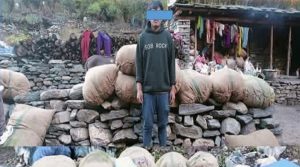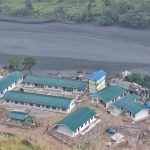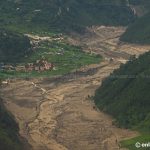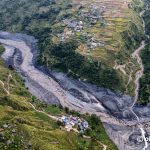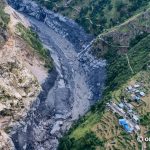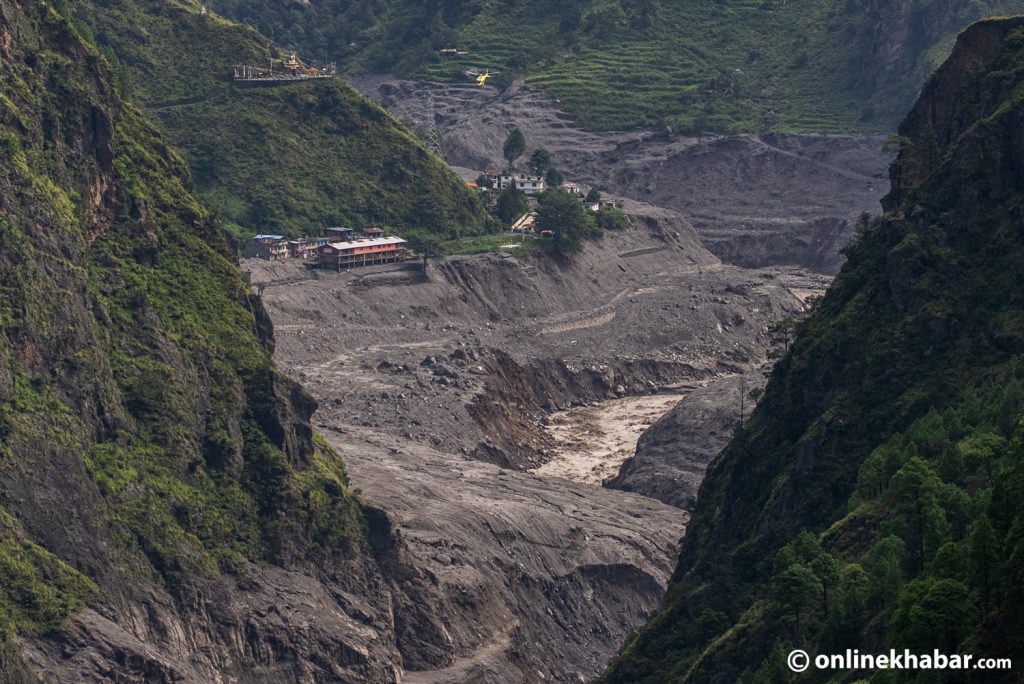
Since the floods hit Nepal on August 26, we have heard repeatedly that Nepal has contributed little to the climate crisis yet faces some of its harshest consequences. That reality should force us to rethink more than how we respond to disasters. It should also force us to rethink how we develop and benefit from tourism.
Nepal’s tourism industry depends on the mountains, rivers, forests, biodiversity, heritage and communities that make the country such a compelling destination. If tourism benefits from these places, it should also help protect them.
Tourism can become a practical instrument of climate justice if every trip, trek and holiday contributes not only to Nepal’s economy but also to the resilience of the destinations and communities that make those journeys possible.
For many international travellers, Nepal first appears through an aircraft window — green hills rising through the clouds, the Kathmandu Valley below and, on a clear day, a horizon lined with snow peaks.
Travellers arrive to stand beneath Everest, trek through the Annapurna region, experience Kathmandu’s living heritage, seek spiritual reflection in Lumbini or explore the country’s forests, rivers, wildlife and mountain cultures.
But the country they are arriving in is changing.
Nepal has made only a negligible contribution to global greenhouse gas emissions, yet its geography leaves it highly exposed. Rising temperatures, glacier loss, expanding glacial lakes, floods, landslides, extreme weather and pressure on water systems are already affecting lives, livelihoods and infrastructure.
In mountain regions, these are no longer distant projections to be discussed at international conferences. They are realities shaping how communities live and how tourism operates.
This is not simply an environmental challenge. Communities that have contributed least to the climate crisis increasingly bear the costs of protecting water sources, restoring damaged infrastructure and access routes, preparing for disasters and sustaining landscapes valued by visitors from around the world.
The Himalaya is paying a price for a crisis it did not create. It is time for those who benefit from the Himalaya to play a greater role in protecting it.
Tourism’s climate paradox
The paradox is difficult to ignore. People travel across the world to experience the Himalaya while the landscapes they admire face growing pressure from a warming planet.
Nepal’s tourism appeal rests on mountains, glaciers, rivers, biodiversity, heritage sites, sacred places and living traditions. Yet a trek is never simply a walking route. It depends on functioning trails and bridges, reliable water supplies, local knowledge, communications, transport services and communities able to host visitors.
When climate risk increases, tourism risk increases with it.
Damage to infrastructure, water shortages, floods and landslides affect residents and visitors alike. They disrupt access, damage services, undermine visitor confidence and threaten the quality of the tourism experience.
The consequences extend across the entire tourism economy. Guides, porters, lodge owners, homestay operators, drivers, farmers, craftspeople and tourism businesses all depend on destinations remaining functional and attractive.
Protecting ecosystems and communities is therefore not a burden imposed on tourism. It is an investment in tourism itself — in employment, local income and the long-term resilience of Nepal’s tourism sector.
We should stop treating environmental protection and tourism development as competing priorities. In Nepal, they are increasingly the same priority.
Beyond climate guilt
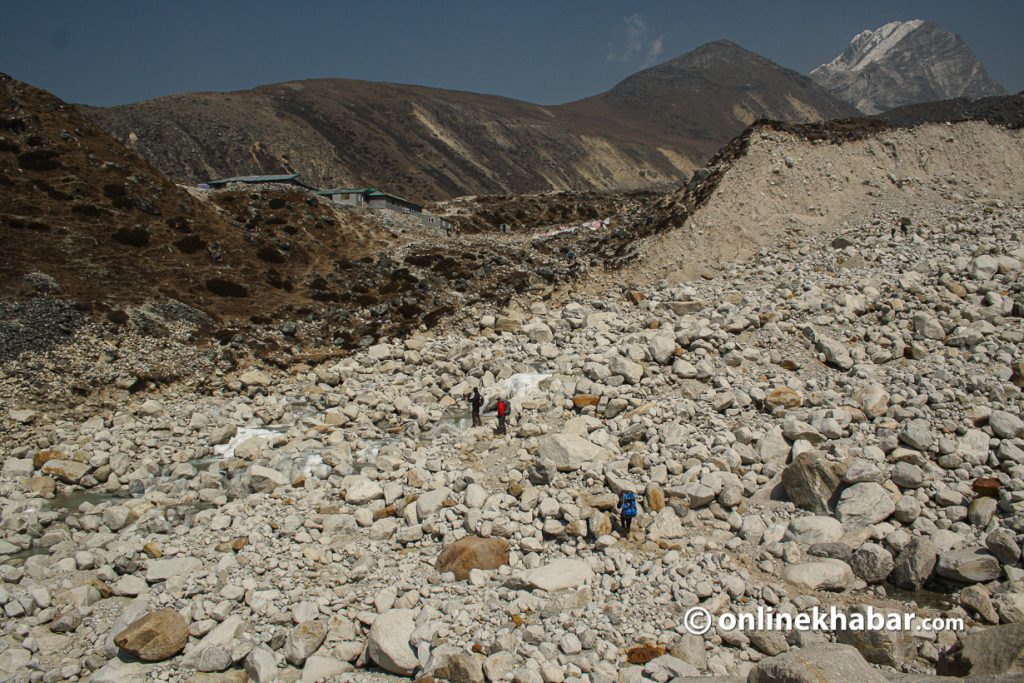
Tourists are not the problem. Tourism, however, can be part of the solution.
The answer is not to discourage people from travelling to Nepal or turn holidays into an exercise in guilt. For most international visitors, aviation remains the practical gateway to the country. We should be honest about that reality.
But the conversation cannot end with how travellers arrive. We also need to ask what their visit leaves behind.
Once in Nepal, visitors can make choices that reduce environmental pressure and increase local benefits. They can employ local guides and porters, stay in locally owned accommodation, purchase Nepali products, respect designated routes, minimise waste and choose operators that treat communities and ecosystems as integral to the visitor experience.
These may seem like small decisions. Collectively, they can determine how much value tourism retains in local communities and how much pressure it places on fragile destinations.
Tourism businesses also have responsibilities. Airlines, hotels, lodges and trekking companies should be expected to take seriously their use of energy and water, their waste, their sourcing and their relationship with local communities.
Cleaner energy, efficient water use, responsible sourcing, low-waste operations and stronger local supply chains should not be treated as optional extras for environmentally conscious businesses. They should become part of what responsible tourism means in Nepal.
Government, meanwhile, must provide the standards, information and accountability needed to distinguish genuine action from greenwashing.
The goal is not climate guilt.
The goal is climate justice.
A Climate Justice Fund for the Himalaya
Nepal should consider establishing a transparent and accountable Climate Justice Fund linked to tourism.
This is a proposal, not an existing policy. The principle is straightforward: a small share of the value generated by tourism should help strengthen the resilience of the people and places that make that tourism possible.
Contributions could remain voluntary while being conveniently integrated into the visitor journey through airline tickets, visas, permits, accommodation bookings or tourism packages.
Airlines, hotels, trekking operators and booking platforms could provide contribution channels, while the government, tourism institutions, local representatives and an independent governing body would safeguard the integrity of the mechanism.
But there is an important line that must not be crossed.
These contributions should not be marketed as carbon offsets. They cannot neutralise a flight or make a holiday impact-free. Pretending otherwise would simply give travellers a more comfortable story about the environmental consequences of travel.
Instead, contributions should be presented honestly as climate-justice investments that support communities and landscapes facing risks they did little to create.
Carbon offsetting asks whether an environmental impact can somehow be cancelled elsewhere. Climate justice asks a more fundamental set of questions: Who bears the risks? Who benefits from the destination? Who decides how resources are used? And where should resilience finance go?
The purpose of the fund should not be to purchase moral innocence. It should be to finance visible protection and adaptation.
Keeping the benefits local and visible
If such a fund is created, its benefits must be visible where tourism happens.
Resources generated through tourism should support clearly identified priorities within tourism destinations. These could include watershed restoration, protection of drinking-water sources, trail and bridge conservation, waste management, renewable energy, disaster preparedness and community-led ecosystem restoration.
Such investments would strengthen both local resilience and tourism systems.
Protecting a water source benefits residents and accommodation providers alike. Renewable energy can support lodges while reducing pressure on forests. Local procurement can help farmers, cooperatives and rural enterprises retain more of the money visitors spend.
Resilience financing could also enable tourism SMEs, community organisations, guides, homestay operators and young people to participate directly in destination stewardship.
But there is a fundamental principle that must guide the system: communities should be decision-makers, not merely project locations.
Too often, development projects arrive with decisions already made. That cannot be the model here.
Local priorities should guide project selection. Tourism workers, women, small businesses and climate-exposed households should have meaningful representation.
Funding decisions should also reflect the very different needs of trekking regions, heritage cities, protected areas and emerging rural destinations. A single national formula imposed from Kathmandu will not work everywhere.
Neither the fund nor visitor contributions should replace international climate finance obligations. A tourism-linked mechanism would instead create an additional channel through which visitors and the tourism industry participate directly in protecting the destinations from which they benefit.
Trust must be designed into the fund
There is little point creating another fund if people cannot trust it.
A Climate Justice Fund will succeed only if travellers and communities know where the money goes and can see what it achieves.
Every contribution should be traceable. Every supported project should be publicly listed. All spending should be independently audited. Selection criteria should be transparent, and results should be reported in language that both visitors and communities can understand.
A public reporting system could show how much funding was collected, where it was directed, who participated in decisions, what activities were completed and what outcomes were achieved.
Tourism businesses should not control project selection. Communities should not be consulted only after decisions have already been made.
Transparency cannot be an annual publicity exercise designed to produce a glossy report. It must connect contributions directly to outcomes.
A traveller should be able to see the relationship between a payment and a protected spring, restored trail, safer crossing, cleaner energy system or preparedness initiative.
That is how trust is built.
It would also allow Nepal to tell a different story about tourism — one in which visitors are not simply consumers of spectacular landscapes, but participants in protecting them.
A new contract between travellers and the Himalaya
Nepal cannot solve global warming through tourism. Electric transport, solar-powered lodges, low-waste treks and restored watersheds cannot substitute for deep reductions in global emissions.
But that is no reason for Nepal’s tourism sector to wait for the rest of the world to act.
Climate resilience is built through practical decisions that reduce vulnerability, protect essential systems and strengthen community capacity.
Nepal now has an opportunity to rethink what responsible tourism should mean.
A climate-just tourism model would create a new contract between visitor and destination.
Travellers would continue to come for adventure, culture, spirituality and rest, but their journeys would also help sustain the places they enjoy. Tourism businesses would compete not only on price and comfort but also on credible responsibility. Government would provide oversight, while communities would have meaningful influence over resilience investments.
This is not about making tourism perfect. It is about making it more responsible.
If these responsibilities come together, Nepal can offer more than a conventional holiday. It can offer trips and treks that acknowledge their footprint, reduce avoidable harm, retain more value locally and help protect the mountains, cultures and livelihoods that make travel meaningful.
The Himalaya is changing. Nepal cannot change that reality alone.
But it can decide how its tourism industry responds.
A journey to Nepal should create lasting memories. It should also contribute to securing the future of the places and people that make those memories possible.
That is the promise of tourism as a pathway to climate justice.