Sitaram Paudel was walking down the stairs of the Lamsure Basic Health Centre, a packet of medicines in his hand.
His wife, Krishnamaya, has been taking medication for high blood pressure for the past 12 years and is also suffering from cancer. For an ordinary family with a chronically ill member, the cost of regular medicines can be difficult to manage.
But for Sitaram, finding money for his wife’s medicines is no longer a monthly worry. “I came to get blood pressure medicine for my wife. She also has cancer. We have been receiving medicines worth up to Rs 1,000 every month from the ward,” he said. “We elderly people don’t have to go anywhere else. We can get check-ups and medicines here.”
For Sitaram, the health concerns within his family remain, but the burden of having to arrange money for regular medicines has eased. Eighty-year-old Annapurna Adhikari and 65-year-old Sita Khatiwada were also preparing to return home from the health centre with medicines in their hands. Like Sitaram, they have been receiving medicines free of charge. “We have been getting our medicines from here for a long time. We have never had to pay for them,” they said.
This is the experience of residents of Hetauda Sub-Metropolitan City-9, where people with chronic illnesses do not have to arrange money every month for their regular medicines. Health check-ups and laboratory tests are also provided free of charge. Residents have been receiving these services for the past four and a half years, after the ward began prioritising healthcare and developing the Lamsure Basic Health Centre under the concept of a “village hospital” in 2079 BS.
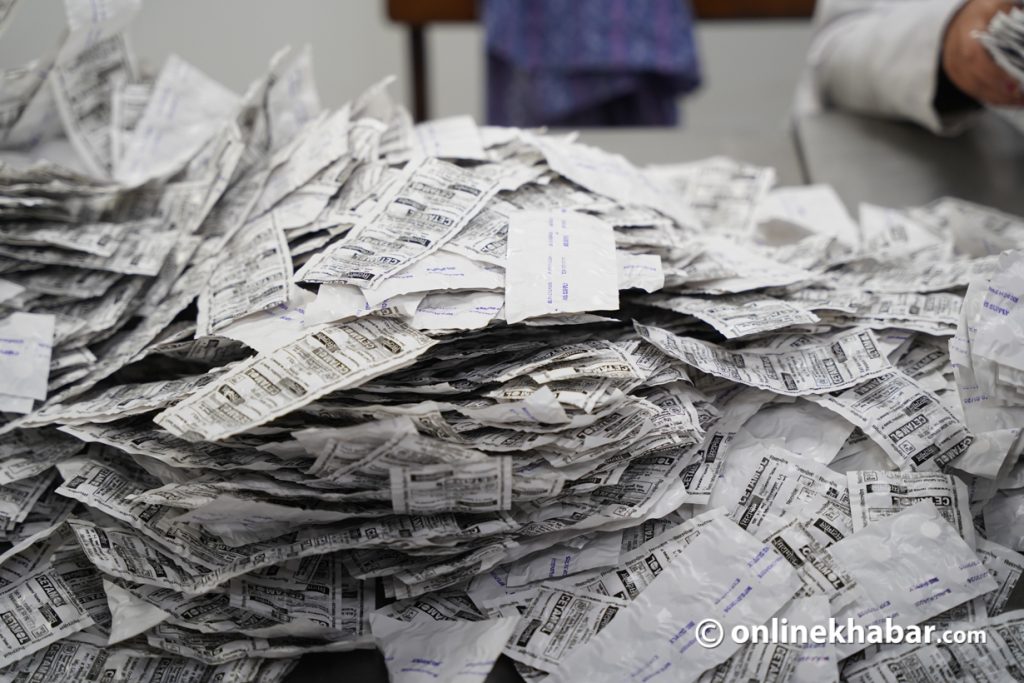
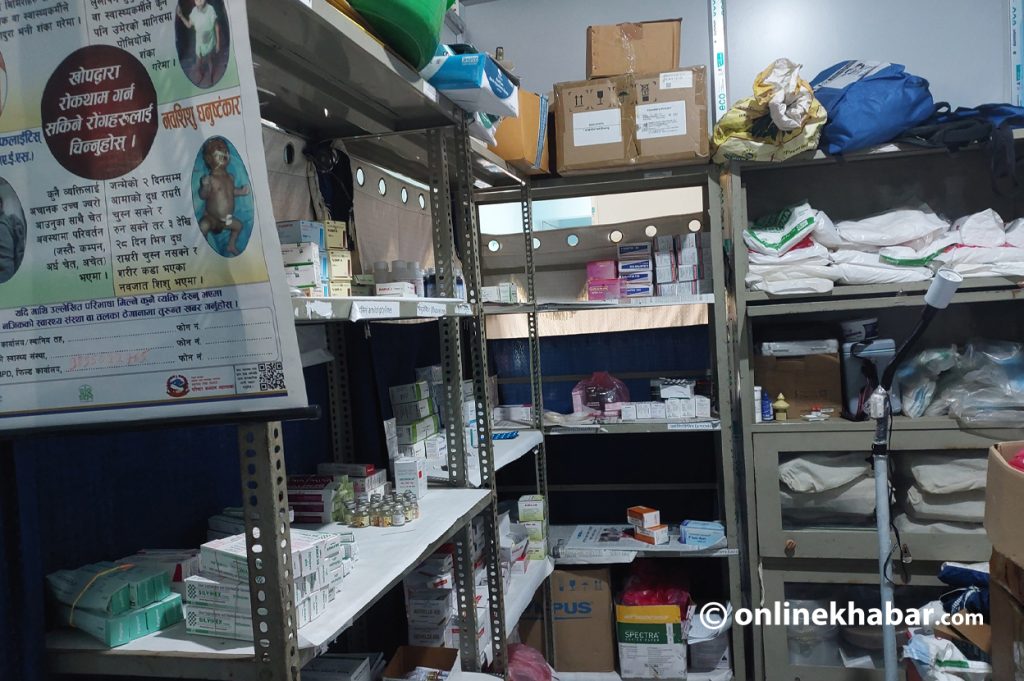
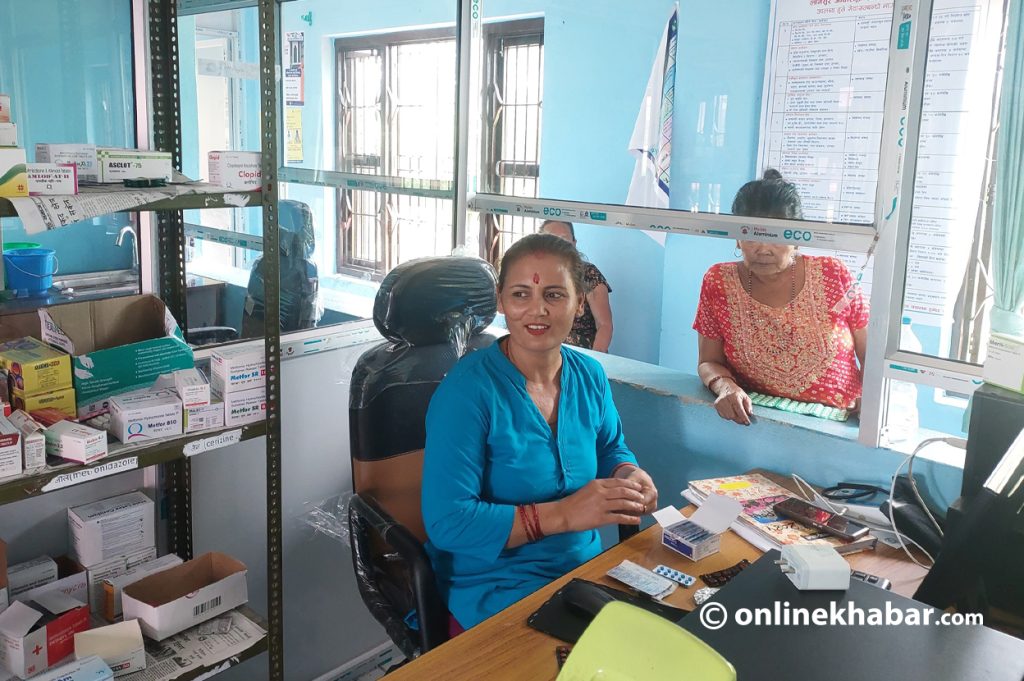
According to Auxiliary Health Worker Anjita Rimal, 40 to 50 people visit the centre each day for treatment, health check-ups and medicines for chronic illnesses. Over the past four and a half years, around 13,000 people have received free treatment and medicines from the health centre. The centre provides 98 types of medicines supplied by the government. The ward office adds another 82 types of medicines purchased through its own budget.
Medicines required by prostate patients and relatively expensive medicines such as RotaCap and Asthalin used by asthma patients are also provided free of charge. The health centre provides medicines for people suffering from hypertension, diabetes, heart disease, mental illness, high cholesterol, arthritis and thyroid disorders, among other conditions.
“Some patients have been receiving medicines worth Rs 5,000 to Rs 8,000 a month from here,” said Ward Chairperson Sukaram KC. “That is not a small amount. We have been able to provide free medicines and treatment to families who cannot afford to spend Rs 5,000 a month on medicines.”
From Rs 500,000 to Rs 2 million
The ward’s initiative to expand free health services began in 2079 BS with a budget of Rs 500,000. The budget was increased to Rs 1 million the following year, and by 2083 BS, the ward had allocated Rs 2 million for health services, according to KC.
The initiative has also received support from the provincial government and the private sector. The Ministry of Health of the Bagmati Province government provided Rs 1 million in the fiscal year 2082/83, which was used to purchase medical equipment. The ministry has also allocated another Rs 1 million for the current fiscal year, 2083/84, KC said.
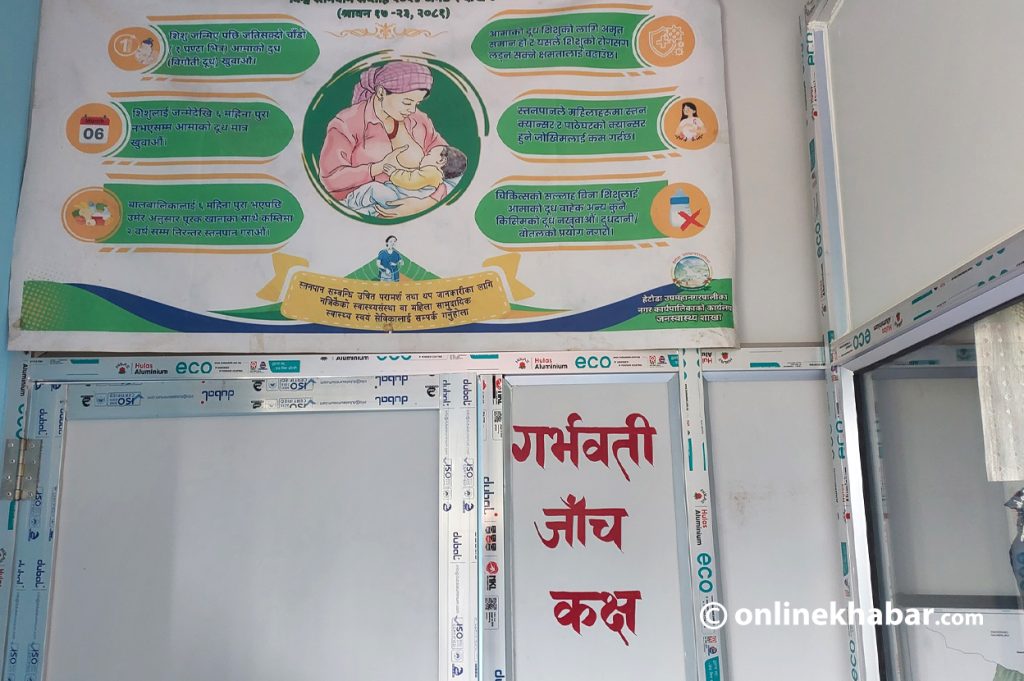
Berger Paints Pvt Ltd, based in the Hetauda Industrial Area, provided Rs 500,000 to purchase equipment for health check-ups of pregnant women.
The ward office also provides Rs 1 million annually to the central office of Manav Sewa Ashram in Hetauda-9. The amount is used for the medical treatment of hundreds of elderly people staying at the facility.
Healthcare at home
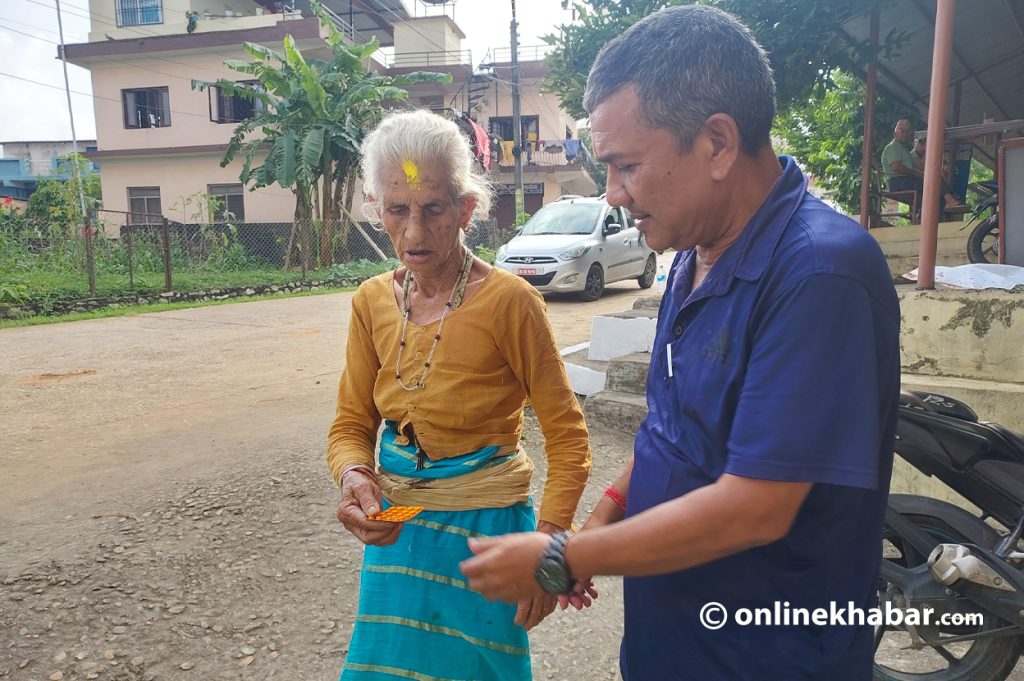
The ward’s health services are not limited to people who can reach the health centre. Health workers also visit the homes of people who are unable to walk, persons with disabilities and patients with chronic illnesses. Patients requiring oxygen also receive services at home.
“There are many chronic patients who remain at home. We visit and treat those who cannot come to the health centre,” Rimal said. “For patients who need oxygen, we even take an oxygen plant to their homes to provide the service.” Four female community health volunteers have been assigned to provide home-based services.
The health centre has one senior auxiliary health worker, one auxiliary health worker, one auxiliary nurse midwife, one lab assistant and one office assistant. Hetauda Sub-Metropolitan City covers the salaries of the other employees, while the ward office pays for the office assistant and community health volunteers from its own resources. The ward also operates two community clinics at Shiv Panchayan Temple and Kalimai Temple. The clinics are held twice a month.
Using household data to set health priorities
Behind the ward’s investment in healthcare is a painful reality. According to KC, 20 residents of Hetauda-9 died of cancer between 2079 and 2083 BS. “It is unbearable to see ward residents die of cancer every year,” KC said. “That is why we have been investing in health and education to the best of the ward’s capacity.”
In 2079 BS, the ward office conducted a household survey covering 24 tole development organisations. The survey collected information on the number of patients in each household, the types of illnesses they suffered from and the most common health problems in the community.
The data helped the ward identify its health priorities. Records at the health centre currently show a significant number of patients with hypertension and diabetes. There are 108 newly diagnosed hypertension patients and 1,161 receiving follow-up treatment. Similarly, 64 patients are newly diagnosed with diabetes and 474 are receiving follow-up treatment.
Seven new patients have cardiovascular diseases and 84 are receiving follow-up treatment. There are 16 new patients with lung diseases and 82 receiving follow-up treatment. Similarly, there are 24 new thyroid patients and 78 receiving follow-up treatment. Two new cancer patients are in the 30–69 age group. There are also nine new patients with other non-communicable diseases and 57 receiving follow-up treatment.
Bringing specialists closer to patients
The ward recognised that medicines alone are not enough for people living with chronic illnesses. It has therefore been arranging specialist consultations at the health centre twice a month.
Through an annual agreement with the Madan Bhandari Academy of Health Sciences under the Bagmati Province government, specialist doctors are brought to the health centre.
According to Rimal, two physicians from the academy visit the centre twice a month, while a gynaecologist and a radiologist visit once a month. As a result, patients who need specialist consultations can receive the service within their own ward rather than travelling elsewhere.
The health centre also operates a laboratory offering 20 types of health tests. Patients do not have to pay for these tests. For residents such as Sitaram, the significance of these services is perhaps simplest to measure in the money they no longer have to find each month.
His wife still needs regular treatment, and his family still has to live with the uncertainty that comes with chronic illness. But when he walks out of the health centre carrying her medicines, one burden has been lifted: the need to worry about how to pay for them.