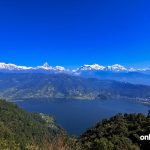


In April 2026, hotels, resorts and cafés in Lakeside were almost all full, and occupancy reportedly reached around 90 percent. Six months earlier, during Dashain 2025, hotels in Pokhara were running at around 35 percent. The lake was the same. The mountains were the same. The streets, the businesses and the services were the same. So what changed? Politics, bad weather and the mood of the country.
That’s what tourism in Pokhara looks like. One weekend the hotels and restaurants are packed, and everyone says tourism is back. A few slow weeks later, the same people say Lakeside is dying.
The problem is not a shortage of tourists. It is that nobody can predict them. A hotel can be full on Saturday and nearly empty by Monday. Pokhara needs tourists throughout the year, not only in the peak seasons.
Who lives off lakeside

According to the Hotel Association Pokhara, the city has around 1,200 tourist-standard hotels, and about 700 of them are in Lakeside and Damside. Together they can host roughly 40,000 guests a night. Then there are the restaurants, bars, trekking agencies, shops, paragliding companies and other adventure businesses. Lots of people make their living from boats on Phewa as well. On busy days in June 2026, boat owners reported more than 5,000 people in a single day.
Billions of rupees have been invested in tourism, and many families depend on it. When it slows down, the pain is not only for the hotel owners. It reaches the boatman, the hotel worker and the farmer who supplies food to the restaurants. It also reaches the banks that lent money to the hotels, and the ordinary people who trusted those banks and deposited their savings.
Why business swings
Part of it is that tourists don’t stay long. Back in 2018, hotel managers were already saying visitors spent only about two days in Pokhara. A survey for the Pokhara Tourism Council found that foreign tourists spent up to around $50 a day. A short stay means a small bill, and a small bill is hard to live on when most of your customers come only in the peak months.
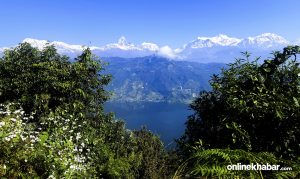
Pokhara still sells the same things: the lake, the mountain views, the sunrise from Sarangkot, and a lot of similar businesses selling similar things. All of it is valuable. But is it enough to make anyone stay longer, or come back?
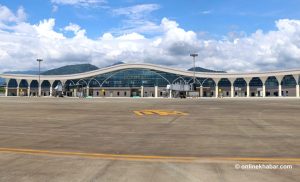
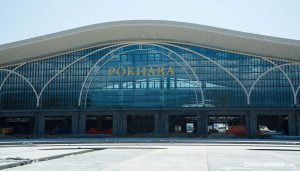
The airport hasn’t changed the situation as much as we hoped. It cost Rs 22 billion and opened in January 2023, yet regular international flights remained few. On 23 September 2026, flydubai started a daily Dubai flight, and the government has waived landing, parking and navigation charges for international airlines until September 2028. But one airline is not a network. Pokhara needs direct flights from India, China and other continents as well.
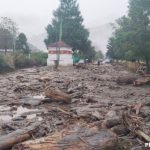
Domestic tourists are still a big part of this business, and many come by road. The Kathmandu–Pokhara highway is often affected during the rainy season, so fewer people come. A family thinking about where to spend a holiday will hesitate about a road like that.
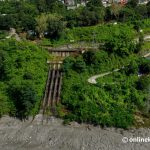
Then there is the lake itself. In 1957 it covered about 1,119 hectares. A Gandaki Province survey later put it at 572. A 2025 study in Sustainability estimated that around 339,000 tonnes of sediment enter the lake every year, and more than 80 percent of it comes in through the Harpan Khola.
The lake is the heart of Lakeside. If it keeps shrinking, nothing we build around it will matter much. Wastewater, especially in heavy rain, needs to be looked at seriously too. Tourism can’t go on if the things people come to see keep getting worse.
What the government should do

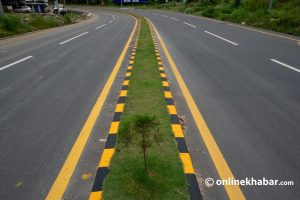
Forget the big projects for a moment and fix the basics. Clean, wider roads. Clean drinking water. Proper footpaths. Public toilets. Better road management. We spend a lot of time counting how many tourists arrive. We should care more about what their stay in Pokhara feels like.
Prices need attention too. The same product or service can cost very different amounts from one shop to the next, and we keep hearing the same complaint: tourists get charged more just because they are tourists. That needs to stop. Prices should be clear, someone should be watching them, and there should be action against people who cheat.
Paying should be easy. Digital payments are still a struggle. Exchange companies should give fair rates, and banks should make paperwork easier for tourists, while still following the rules.
Tourist safety matters. The government should open more cycling routes and trekking trails and make them safer. Pokhara also has local products and businesses worth promoting. They just need better exposure and a place in what a tourist sees and buys.
Training is another gap. Anyone running a tourism business should get practical hotel and hospitality training, both before registering and after. Customer service, hygiene, pricing, how to talk to guests, how to behave. All of it. The way one business treats a guest can shape the image of the whole of Pokhara.
Then there are flights and roads. Direct flights from India and China to Pokhara should be encouraged, since these are two big tourism markets for us. The Butwal–Pokhara road needs repairs and proper maintenance as well, because a lot of Indian tourists come by road. Delays, hassle and unfair treatment on the way will make them think twice about coming back.
Tourists should also be told the do’s and don’ts before they arrive in Pokhara. Simple advice on road safety, local rules, fair prices for products and services, and emergency numbers. Every visitor should feel safe and welcome.
What business owners should focus on
Tourism has good and bad months. Business owners have to accept that. Save money in the peak season and keep your expenses under control. Don’t put too much money into fixed assets you can’t carry when business slows down.
Before you invest in any business, learn the basics of how it works, and have an exit plan too. Take training and understand the market. Don’t put your money in first and then blame the government or the tourists when things don’t work out the way you imagined.
Tourists may come or they may not. Your EMI will come either way. So prepare for the worst. Look at your cash flow, and invest only what your business can actually afford.
Know your customers first. Indian, Chinese, European and domestic tourists have different cultures, tastes and spending habits. What works for one group might fail with another. See what each group expects, respect the differences and treat everyone well.
Think beyond selling rooms at a discount. A four- or five-night package with the lake, cycling, local food, a foothill homestay and some wellness could make tourists stay longer. Many Indian visitors to Pokhara also go to Muktinath, so there is a chance to put pilgrimage and leisure together.
And work together. Joint promotion, common safety standards for adventure activities and a shared events calendar will do more for everyone than each business trying to pull in tourists alone.
Ten ordinary months
Pokhara doesn’t need another record weekend. It needs ten ordinary months in a row.
That means roads, water and footpaths that work. Flights that keep coming. A lake that stops shrinking. Businesses that know their customers. A reason to visit in July as well as in October. The government has a part to play. So do business owners, who have to plan better and work together. We can’t control the weather, the economy or politics. We can control how prepared we are for them.
None of this is new. The plans, ideas and discussions already exist. What’s missing is doing it. The real success of Pokhara’s tourism is not how busy Lakeside gets on one weekend. It’s how steady it is throughout the year.