

Kathmandu, October 4
The scene in Kolkata on Saturday was one Nepali football fans could only watch from a distance. More than 51,000 people packed Salt Lake Stadium as India took on Brazil. Vinicius Junior and his teammates walked onto the pitch, the Brazilian national anthem played and Indian players stood opposite one of the most decorated teams in international football.
Brazil won 4-0. But for India, the significance of the evening went beyond the score.
The match gave Indian players the chance to test themselves against the five-time world champions. It gave supporters the chance to watch one of football’s biggest teams play on Indian soil. It also showed what international football can offer even when the result does not go the home team’s way.
India will play Uruguay on October 6, having drawn with Panama on September 25. There is a full international programme ahead.
Nepal, by contrast, has no such programme.
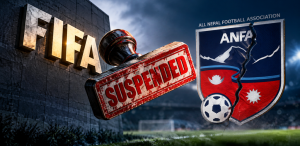
Its national team should have been preparing for the SAFF Championship. Instead, Nepal will not even be at the tournament. For the first time in its history, Nepal has missed the SAFF Championship because of FIFA’s suspension of the All Nepal Football Association (ANFA). And that absence says more about the state of Nepali football than the loss of one tournament.
A tournament Nepal should have been playing
The SAFF Championship has traditionally been one of the biggest occasions on Nepal’s football calendar.
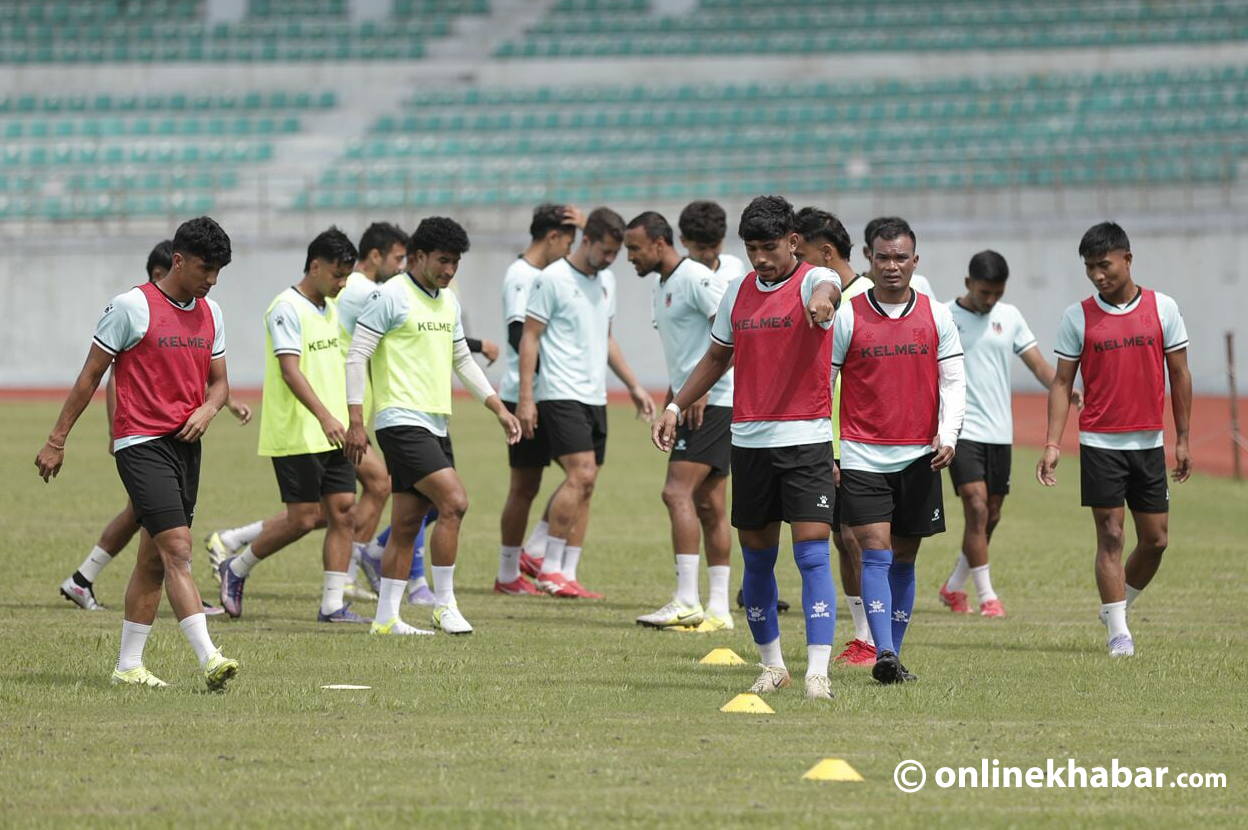
By this stage, the national team should have been assembling its squad, beginning preparations and building towards another campaign in South Asia.
Instead, there was no squad announcement, no training camp and no national-team buildup.
FIFA suspended ANFA on June 25, citing third-party interference in the association’s internal affairs. The suspension prevented Nepal’s national team and clubs from participating in international competitions.
When FIFA’s September 30 deadline for resolving the issues passed without a breakthrough, Nepal’s absence from the SAFF Championship became unavoidable.
For the players, that meant losing an important international tournament without ever getting the chance to compete for it.
It also meant another missed opportunity to play together, gain international experience and represent Nepal at home and abroad.
The damage, however, extends beyond the national team.
The crisis goes beyond FIFA
The dispute between the government and ANFA has gradually turned into a wider crisis for Nepali football.
The government has argued that ANFA has not done enough to address the issues surrounding the suspension. ANFA, on the other hand, has maintained that government intervention is at the centre of the dispute.
Neither side has been able to produce a solution acceptable to FIFA.
FIFA has reportedly set a number of conditions for lifting the suspension, including withdrawal of the National Sports Council’s March 25 decision, reinstatement of the existing ANFA executive committee and continuation of ANFA’s electoral process.
Repeated discussions have failed to resolve the disagreement.
The situation has also become more complicated because of separate investigations into ANFA treasurer Rabindra Joshi and accountant Sanjiv Pandey.
Both were arrested by the Central Investigation Bureau of Nepal Police and are being investigated over allegations including match-fixing and financial irregularities. The Supreme Court has not ordered their immediate release in response to habeas corpus petitions filed by the two.
While the institutional dispute continues, football activity has been disrupted.
The national league, women’s competitions and youth competitions have all been affected, leaving players and coaches uncertain about when the normal football calendar will resume.
More than 100 days without a solution
At one stage, the sports minister had indicated that discussions with FIFA were progressing and that the suspension could soon be lifted.
That optimism has not translated into a resolution. The suspension has now crossed the 100-day mark.
Nepal last played an international match on March 31, when it faced Laos. Six days earlier, the National Sports Council had suspended ANFA. Since then, Nepal’s international programme has effectively stalled.
The government is now considering whether it can continue domestic football even while the FIFA suspension remains in place.
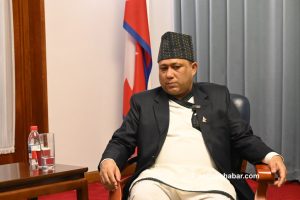
Following discussions with former footballers, National Sports Council Member Secretary Ramcharitra Mehta said there had been an understanding to develop a plan to continue domestic leagues.
That may keep some form of football going at home. But it cannot replace international competition.
A domestic match cannot provide the same experience as a national-team game. It cannot replace the opportunity to play against teams from other countries. And it cannot undo the loss of tournaments that players should have been preparing for.
The cost is being paid on the field
This is where the institutional dispute becomes a football problem. The arguments are taking place between officials, government agencies and football administrators. The consequences, however, are being felt by players.
A generation of Nepali footballers is losing opportunities to play international matches at a time when regular competition and exposure are crucial to their development.
Players who should have been preparing for the SAFF Championship are instead playing domestic football or continuing their careers abroad.
The national team has no clear next opponent. Supporters have no clear next fixture to look forward to.
And young players have no clear indication of when they might get their chance to step into the national setup.
What happens next?
The contrast with India is difficult to ignore. India lost to Brazil. But India played Brazil.
Its players experienced the pressure of facing a world-class opponent. Its supporters filled a stadium. Its football system created an opportunity for its players to compete at the highest level available to them.
Nepal did not lose a match this weekend. It simply did not have one. That is the deeper concern.
The issue is not whether Nepal can compete with India, Brazil or any other team. It is whether Nepali football can create the conditions necessary for its players to compete at all.
Every missed international window means fewer opportunities. Every cancelled tournament means less experience. Every month spent in institutional uncertainty makes the return to normal football more difficult.
The SAFF Championship is already gone. The next challenge is making sure the same thing does not happen again.
For now, the players are waiting, the supporters are waiting and Nepali football is waiting for its administrators to find a way forward.
Brazil came to Kolkata and played. Nepal is still waiting for its next match.